
Striving for Excellencein Everything We Do
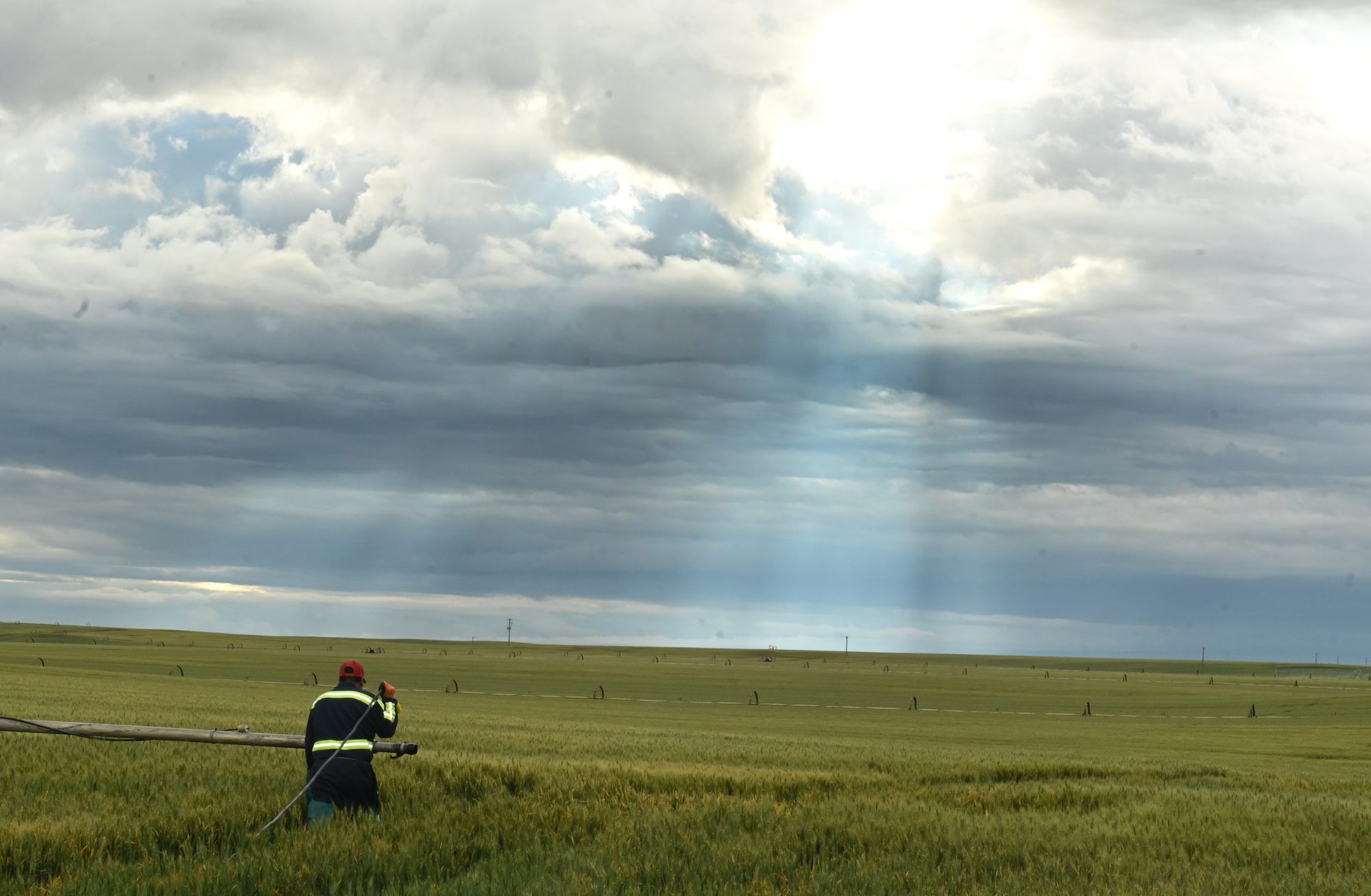
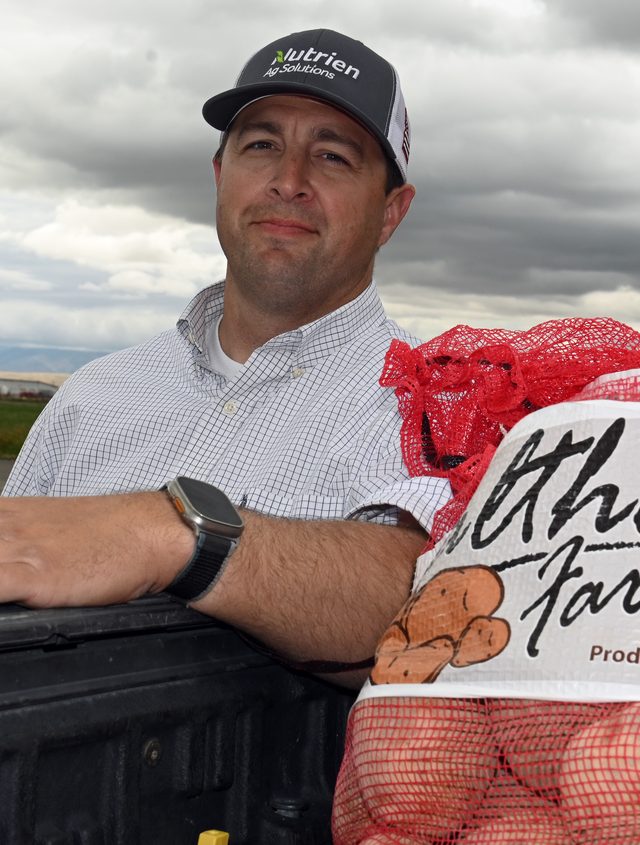
The Wray name has long stood for a strong work ethic and the practical ingenuity it takes to run a farm well, season after season. Across roughly 3,000 acres of Idaho ground, we grow potatoes and wheat for the fries and chips markets. We farm with modern discipline, using reduced tillage and fewer passes to improve fuel efficiency, control costs, and protect long-term soil health. We manage the land we own with the long view in mind because a healthy field is what delivers a reliable crop year after year. Modern farming is far more than most people picture: it's science, technology, and constant problem-solving, and we bring all of it to our work growing a dependable product.

That commitment runs four generations deep. Since 1974, our family has farmed this ground through strong years and difficult ones, guided by hard work, integrity, and a genuine respect for the land. We pair the traditional values we were raised on with the practices that keep us competitive and dependable to preserve a family operation worth relying on for the long term. Our goal is simple: to grow great food the right way, honor our commitments, and build lasting partnerships as we pass this farm on to the next generation.

Process

NutrientManagement
Feeding a crop well starts with knowing exactly what the ground is short on. We build our fertilizer plan around soil tests and realistic yield goals, so every field gets a program suited to what it can actually produce. The payoff is efficiency, strong crops, controlled input costs, and cleaner water and soil left behind for the next season's planting.

ConservationCrop Rotation
We plan our fields years out, alternating potatoes and wheat so no single crop wears the same ground down. Each crop pulls and returns something different, which keeps pests and disease from settling in and helps the soil hold its structure and fertility over time. It's a long-game approach that steadily improves our yields and our resilience.

CoverCrop
Between our main crops, we put living roots back in the ground rather than leaving it bare. Those plantings shield the soil from erosion, hold nutrients in place, and feed organic matter back into the field so it comes back stronger the following year. It's another way we keep the land productive today while protecting it for future generations.